Dr. A-L Tells: What to Read & Watch- Dancehall Riddim Queens exhibition
Updated: Aug 25
Welcome to my blog series Dr. A-L Tells: What to Read & Watch, where I get to share with you some of my favourite finds from books, films & other gems that resonated with me so deeply I just had to write about them! In each post, I’ll keep it short & sweet with a 500-word-ish review of something I’ve recently read or watched, often centring Black people, identity & diverse experiences around the globe.
This series mixes my personal reflections, feelings & academic insights to offer a fresh take on stories that capture the richness & complexity of Black voices worldwide. I’m here to explore the layers of culture, history & identity while unpacking how these narratives hit home for me on both intellectual & emotional levels. So, whether you’re in the mood for a thoughtful analysis or just a solid recommendation, I hope each post brings a quick but meaningful spark to your day! ✨
In this post, I dive into the Dancehall Riddim Queens (2026) exhibition by Linnett Kamala.
This reading & listening session with Becca Dudley & Linett Kamala took me down an unexpected memory lane.
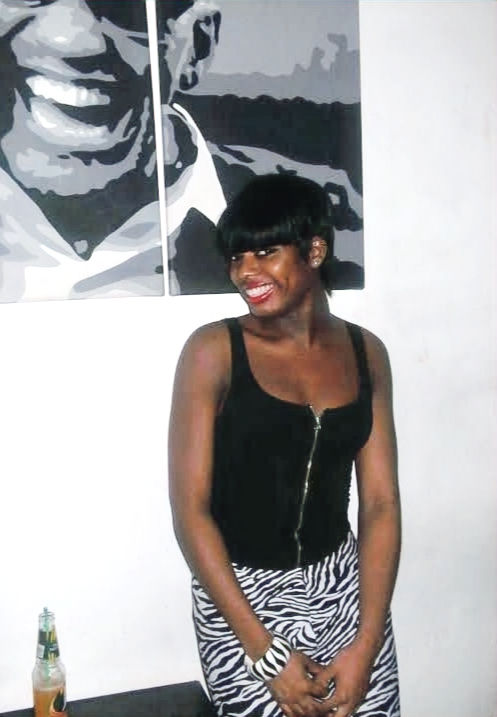
London's dancehall culture in the 1990s was the backdrop to my birth & growing up. Early 2000s dancehall is still my jam- & how it was shaped as a style definitely developed in that decade. As part of the Jamaican diaspora & a third generation Black Briton with Nigerian heritage too, dancehall gave me an insight into the sounds, rhythm, language & style of my culture as I tried to connect with it from an ocean away. I felt seen & embraced as I started to whine my waist to those riddims- all bass & snare punctuated with risqué lyrics- at home first, & then in the party or club once my mum eventually allowed me to go. I adopted the style- the weaves, the nails, the makeup, the matching, colour-coordinated outfits.
It's wild how the multiple parts of oneself can create hybridity as it merges, but also disconnection, & how powerful it is that music & fashion can reconnect you, becoming part of the self you curate- particularly as you grow & experiment.
So this wasn't just an event. It was a homecoming.
Linett Kamala- interdisciplinary artist, academic, carnivalist & honestly, a woman doing powerful work- put together something special. As a DJ in that period, she lived, collected & preserved it. Her artistry alongside academia gave her the language to articulate this time- & her session allowed me to over-&-inner-stand the dynamics that underpinned this genre & the culture it came from & cultivated. I remember watching the film ‘Dancehall Queen’ (1997) & being hooked- so attending this exhibition felt like a full circle moment, particularly having experienced attending my first Dancehall Queen contest in Jamaica in 2015.
Context is everything- London, the clubs, the style, the community & the constant exchange through music between Jamaica & here. Linett brought it all into her session & exhibition with a mixture of commentary, clothing, paintings & objects that made this period come alive.

The format was creative, structured & meaningful. Worksheets with key topics like colourism, body politics, gender/sexuality; key songs to listen to for each like 'Love Me Browning' (1991) which I learned from this session was re-recorded in 1992 after backlash to 'Love Me Black Woman' by Buju Banton- causing some serious chair shimmy-ing. Readings & quotes from books like 'Sound Clash: Jamaican Dancehall Culture at Large' by Dr Carolyn Cooper- let academia do what academia should do- giving language, frameworks & tools to experiences we already lived & still do.

The session was intimate. Refreshments, honest conversation- including Becca reflecting openly on her positionality as a racially ambiguous woman in this space. That mattered. More of that please. There were also postcards of illustrations from the exhibition to take away which I happily bought & got signed by Linett. A memory to hold.

She also paid homage to key people like Pinky- a Brixton Dancehall Queen. As her name tells you, she was always head to toe in pink. I saw her as a child, passing through Brixton- always in awe- always watching but not knowing then just how iconic she was. Is. May she rest in power.
What Linett has done- & is doing- is keeping the artform, holding it & passing it on to the next generation (she is an active mentor of women DJs), to speak back to the erasure that constantly shrouds us as Black women. That is not a small thing- it is radical. That is resistance in its most tender form & it is the same spirit that moves through the work I do.
The exhibition & associated activities runs until 31 July 2026 at the Stuart Hall Library, Iniva. You have two weeks. Go.


Comments